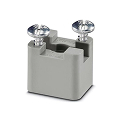
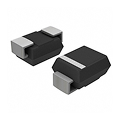
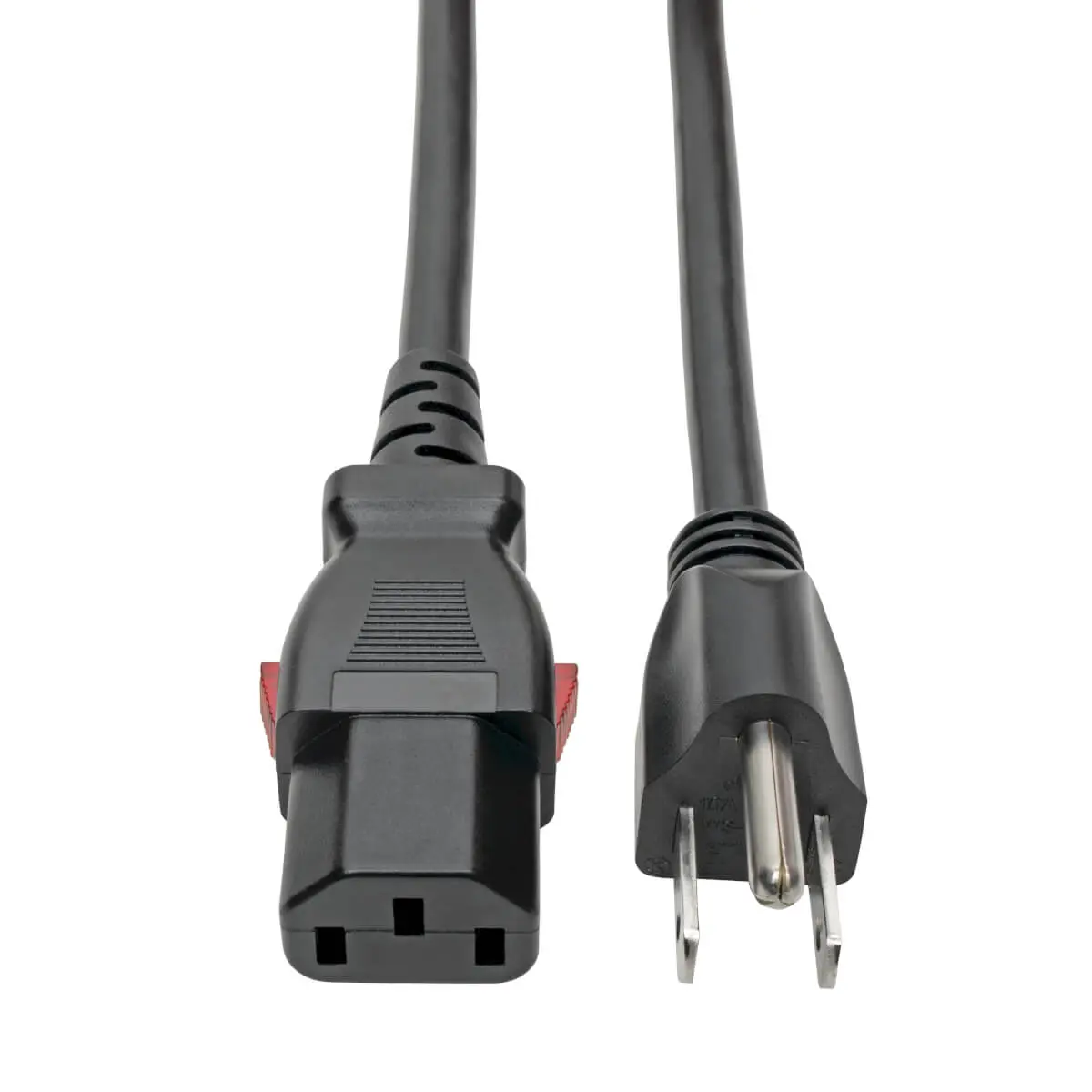
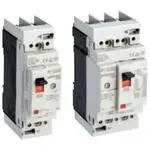
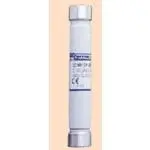
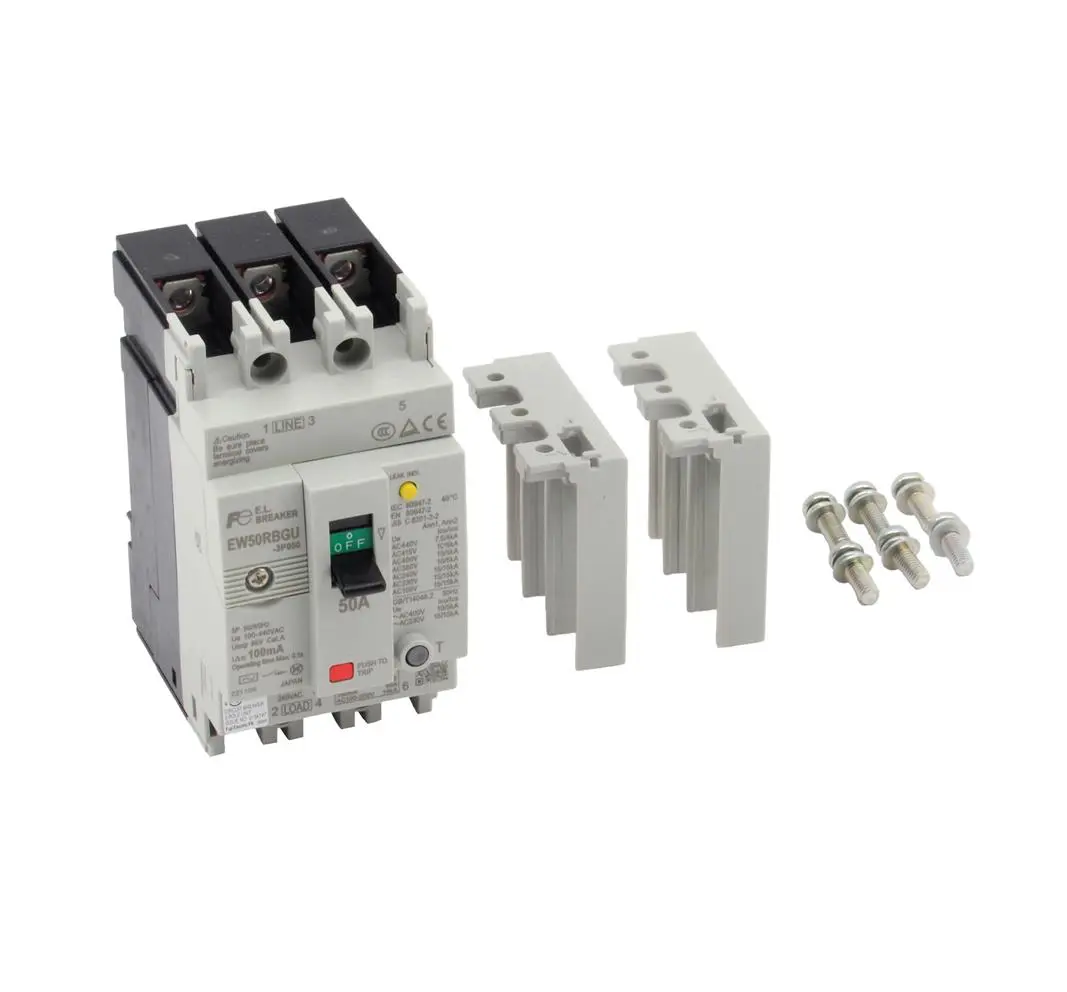
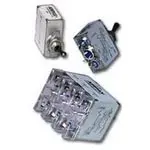
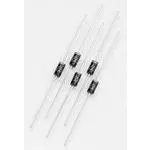
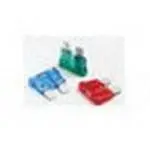
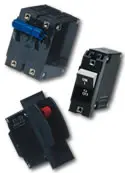
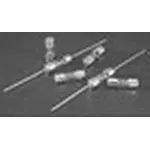
Circuit protection devices are essential components engineered to protect electrical circuits from overcurrent, short circuits, and other potentially damaging electrical events. From consumer gadgets to industrial automation, the right protection can mean the difference between safe operation and costly downtime. Online Components offers a comprehensive selection of circuit protection devices, backed by reliable inventory management and efficient distribution services.
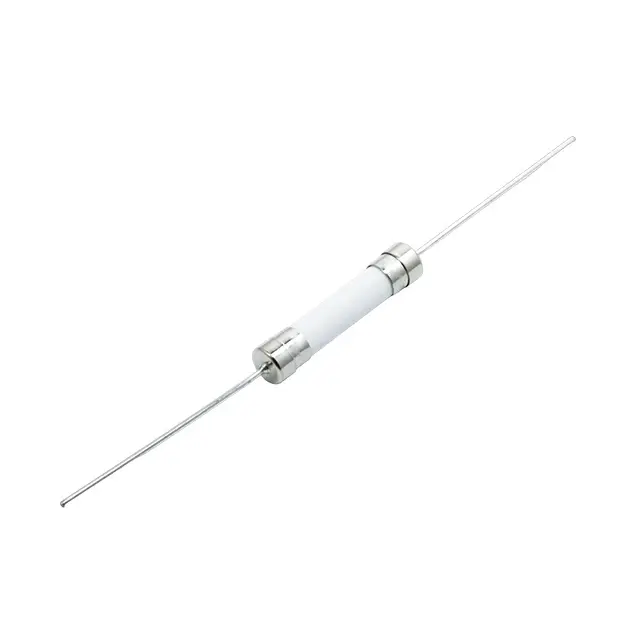
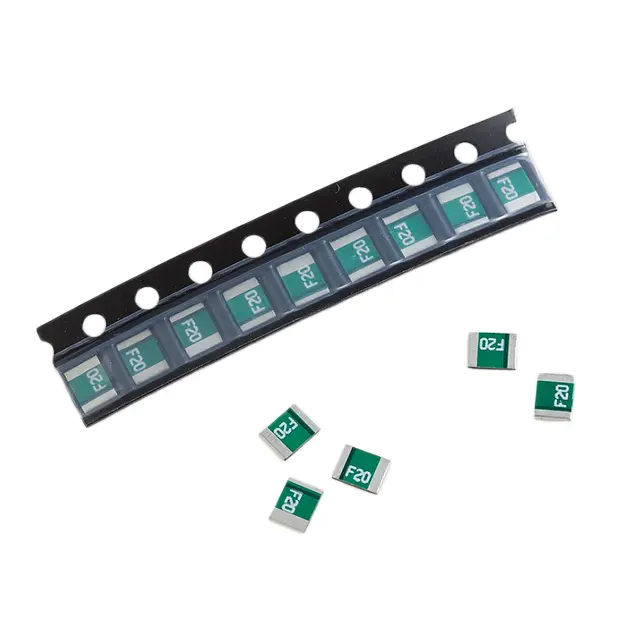
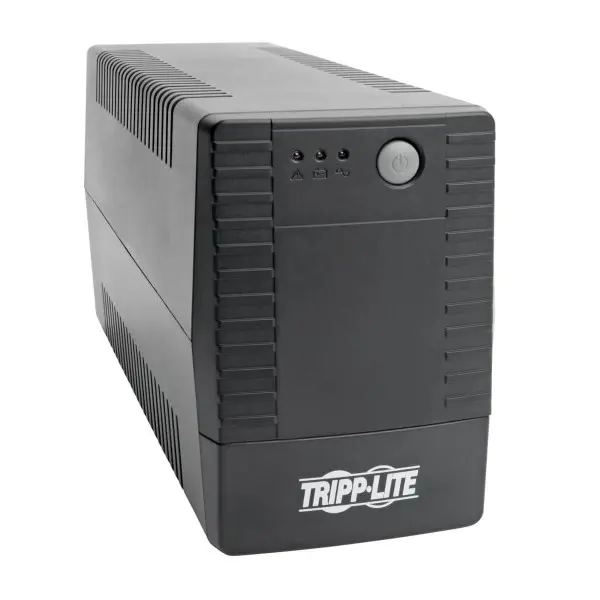
Online Components features a broad selection of circuit protection devices from leading brands, including Littelfuse, Bel Fuse, and Bussmann. Our catalog includes fuses, circuit breakers, resettable positive temperature coefficient (PTC) devices, surge protectors, and transient voltage suppressors (TVS) diodes. Key specifications such as voltage, current rating, response time, and form factor make it easy to match the right product to any requirement. Engineers, purchasers, and maintenance professionals can find everything from small surface-mount fuses to heavy-duty breakers for industrial panels.
How to Choose the Right Circuit Protection Device
Selecting the best circuit protection device depends on a clear understanding of your application's requirements and risk profile. First, consider the maximum current and voltage your circuit will encounter; the device you select must be rated to handle these values without nuisance tripping or failure. Next, response time matters. A fast-acting fuse is ideal for protecting delicate electronics, while a slow-blow fuse can handle brief inrush currents without opening the circuit unnecessarily. Don't overlook installation factors such as mounting style, size constraints, and operating environment, especially if the device will be used in rugged or densely packed designs.
Popular Applications for Circuit Protection Devices
Circuit protection devices serve vital roles across many industries. In consumer electronics, they protect smartphones, computers, and home appliances from surges and battery faults. Industrial automation relies on fuses and circuit breakers to safeguard machinery and control systems against overloads and short circuits. The automotive industry employs multiple forms of circuit protection to safeguard vehicle electronics and prevent hazardous shorts. Power distribution networks, including those for renewable energy, telecom, and utilities, utilize high-reliability protection devices to ensure uninterrupted service and compliance with safety standards. In medical devices, precisely selected fuses and TVS diodes safeguard patient-connected equipment from electrical faults.
Why Choose Online Components for Circuit Protection Devices?
Online Components serves as an authorized distributor of electronic components, providing access to an extensive catalog of components sourced from over 400 suppliers. Since 1999, the company has focused on providing reliable inventory management and efficient distribution services. Each product is sourced from authorized suppliers, ensuring authenticity and full manufacturer backing. When technical questions arise, customer support is available to assist.
Circuit Protection Devices: What You Need to Know
What's the difference between a fuse and a circuit breaker?
Fuses are single-use devices that must be replaced once they have opened a circuit. Circuit breakers can be reset after they trip, making them reusable and well-suited for systems where quick restoration is important.
What factors should be considered when selecting a fuse?
Focus on these key parameters: rated current, voltage, and interrupt rating (breaking capacity). Your fuse should safely handle normal operating currents while interrupting fault currents without damaging surrounding components. Consider whether you need time-delay (slow blow) or fast-acting variants based on your inrush conditions and fault types. Don't forget practical considerations, such as physical size and mounting style, including axial, surface-mount, or cartridge types. Always review applicable safety standards for your specific application.
How do I determine the correct current rating for my fuse or breaker?
Start with your circuit's expected maximum load, and select a device with a current rating just above that value to account for regular surges. Always reference the product datasheet and consider your application's specific requirements.
Can I use the same protection device for alternating current (AC) and direct current (DC) applications?
Not always. Many devices are rated for either AC or DC use only, while some can handle both. DC applications often require different voltage ratings than AC due to the lack of zero-crossing points that help extinguish arcs. Always confirm voltage and current ratings for your specific application before finalizing your selection.
What types of components are included in circuit protection?
Circuit protection includes components designed to prevent damage from overcurrent, overvoltage, or excessive heat. Common types include fuses, circuit breakers, ESD suppressors, TVS diodes, resettable PTCs, and surge protection devices. Each component serves a specific protective function for sensitive parts or entire systems. Your selection should be based on the potential fault type, your application's voltage and current requirements, and whether you need reset capability. Proper protection enhances safety, extends component life, and improves overall system reliability.
What is the difference between a fuse and a resettable PTC device?
A fuse is a one-time protection device that melts when the current exceeds its rating, permanently interrupting the circuit. Resettable Positive Temperature Coefficient (PTC) devices, also known as polyfuses, operate differently. They limit the current by increasing resistance during fault conditions, then automatically return to normal operation once the fault clears and the device cools down. Use fuses for one-time protection and high-current applications. Choose PTCs when you want automatic reset capability in your circuits. Base your decision on your system's reset requirements and fault tolerance needs.
How do TVS diodes protect against voltage spikes?
Transient Voltage Suppression (TVS) diodes clamp voltage surges by conducting large currents when the voltage exceeds their breakdown threshold. They respond extremely quickly, often within nanoseconds, to absorb energy from electrostatic discharge (ESD), lightning strikes, or inductive switching transients. You'll typically find TVS diodes protecting data lines, power rails, and sensitive inputs. Select them based on breakdown voltage, clamping voltage, and peak pulse power rating. Remember that proper placement is essential for effective suppression.
When should I use a TVS diode in my design?
Transient Voltage Suppression (TVS) diodes protect sensitive circuits from fast, high-voltage spikes caused by events such as lightning strikes, electrostatic discharge, or switching surges. They are ideal for data lines, power rails, and input/output (I/O) ports.
When should I use a Surge Protection Device (SPD)?
SPDs are essential for circuits exposed to high-energy surges from power grid transients, lightning strikes, or heavy industrial equipment. Install them at power entry points to divert surge energy away from sensitive electronics. Use SPDs when you have long cable runs, outdoor connections, or exposed equipment that increases the risk of surges. Ensure your SPD matches your power system's voltage and frequency requirements and meets the relevant protection standards. For comprehensive protection, consider using SPDs together with TVS diodes or fuses in a layered approach.

 English
 中文 / 汉语
 Italiano
 Português
 Deutsch
 Français
 Русский
 日本語
日本語
 Türkçe
 한국어
한국어
 Español
 Nederlands